
Improved Sensitivity and Accuracy
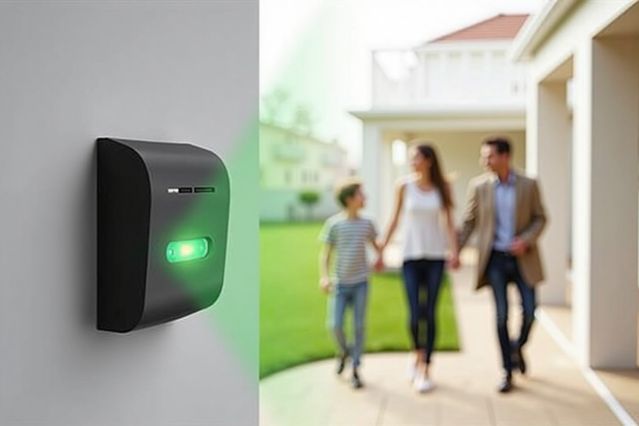
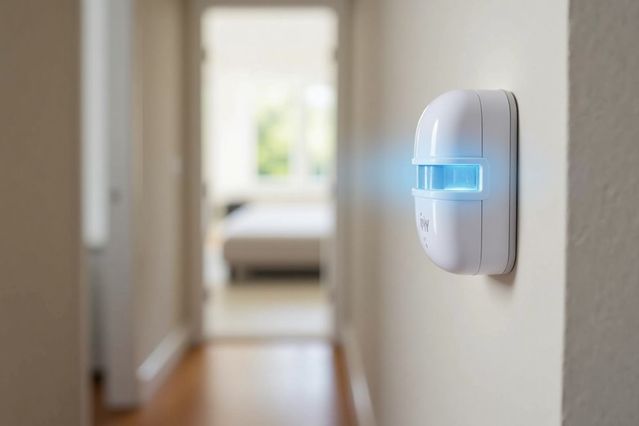
One of the most notable innovations in motion sensor technology for home alarms is the improved sensitivity and accuracy. Traditional motion sensors could be triggered by false alarms, caused by pets or moving shadows. However, advancements in sensor technology have resulted in more precise detection capabilities. New sensors can distinguish between human and animal movements, reducing the occurrence of false alarms. This increased accuracy provides homeowners with peace of mind, knowing that they will be alerted only when there is a genuine threat.
Smart Motion Detection
Another remarkable innovation is the integration of smart motion detection into home alarm systems. Smart motion sensors use artificial intelligence algorithms to learn and recognize the patterns of activity in a home. They can distinguish between expected and unexpected movements, allowing homeowners to customize their security settings accordingly. For example, if a homeowner often works late at night, the smart motion sensors can be programmed to disregard their movements during those hours. This personalized approach enhances the overall security and convenience of the system.
Wireless Connectivity
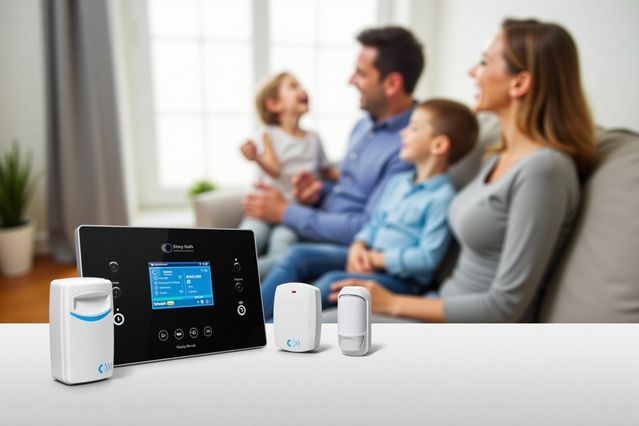
Wireless connectivity is another significant innovation in motion sensor technology for home alarms. Traditional systems relied on wired connections, which could be time-consuming and costly to install. With wireless connectivity, motion sensors can now be easily installed in various locations throughout the home without the need for extensive wiring. This flexibility allows homeowners to optimize their security system to cover all vulnerable areas, such as doors, windows, and garages. Additionally, wireless connectivity enables seamless integration with other smart home devices, such as cameras and door locks, providing a comprehensive security solution.
Mobile Alerts and Remote Monitoring
The advancement in motion sensor technology has also led to the development of mobile alerts and remote monitoring features. Homeowners can now receive real-time notifications on their smartphones whenever motion is detected in their homes. This allows for immediate action, whether it's contacting authorities, checking surveillance cameras, or remotely controlling the security system. Remote monitoring capabilities provide homeowners with peace of mind, even when they are away from home, knowing they can stay connected and respond promptly to any security events.
Energy Efficiency
Energy efficiency is a significant consideration in modern motion sensor technology for home alarms. Traditional sensors would often remain active continuously, consuming unnecessary power. However, advancements in technology have enabled the development of energy-efficient sensors that activate only when necessary. These sensors can detect changes in infrared radiation, heat, or ultrasonic waves, ensuring that they are triggered only by actual movements. By minimizing power consumption, energy-efficient sensors not only contribute to a greener environment but also help homeowners save on energy costs.
Integration with Smart Home Systems
The integration of motion sensor technology with smart home systems is another significant innovation. Homeowners can now connect their motion sensors to their smart home hub, enabling seamless control and automation. For example, when motion is detected, the lights can automatically turn on, or the thermostat can adjust to a comfortable temperature. This integration enhances the overall convenience and efficiency of the home, while also providing an additional layer of security.